By: Isabella Gaitan
The film industry has a long-standing history of excluding people of color. When minority groups were given the opportunity to be shown on the big screen, they were often limited to side roles or portrayed by white people in racist costumes and makeup. Of course, films from this time couldn’t help representing the real-life attitudes of the day. In recent years, making your way in show business is less of a challenge. But that doesn’t mean it’s not hard. In front of the camera, only 2 out of 10 lead actors in film are people of color. Behind the camera, people of color only make up 12.6% of movie directors and 7.8 % of movie writers.
In recent years, there have been more and more calls for meaningful representation and greater diversity in the industry. Not only have people been pushing for equality on in front of and behind the cameras, but also on the stages of award shows. The Oscars, also known as the Academy Awards, are a mainstream and highly prestigious award. Although receiving these awards are very honorable, they have notoriously had a lack of diversity.
To correct this widespread problem, the Motion Picture Academy has made changes meant to create and promote more diversity in the industry. Earlier this year, they expanded the best picture category to include 10 films instead of five. They also announced that for a film to be nominated for an Oscar it needs to meet standards for diversity of onscreen representation, creative teams, internship opportunities, and audience development. These standards seek to include more women, people of color, LGBTQ+ people, and people with disabilities.
This is certainly a step forward for ensuring more diversity both on and offscreen. However, it brings up a new set of issues. Who’s writing these stories now? Will white writers force lazy plots about tackling adversity and call it a triumph? Will production companies bring in people of color just to meet a quota? Some would even think that the quality standards are being relaxed to allow for more diversity.
“People are moved by excellence”, says Ms. McCormick, a professor here at Braddock. She believes that if equal opportunity is afforded to nonwhite producers, there wouldn’t be a need for expanded categories or surface level plots. Films created and led by people of color would be up for awards consideration, not because they’re black, Hispanic, or Asian, and standards must be met, but because they are genuinely good films.
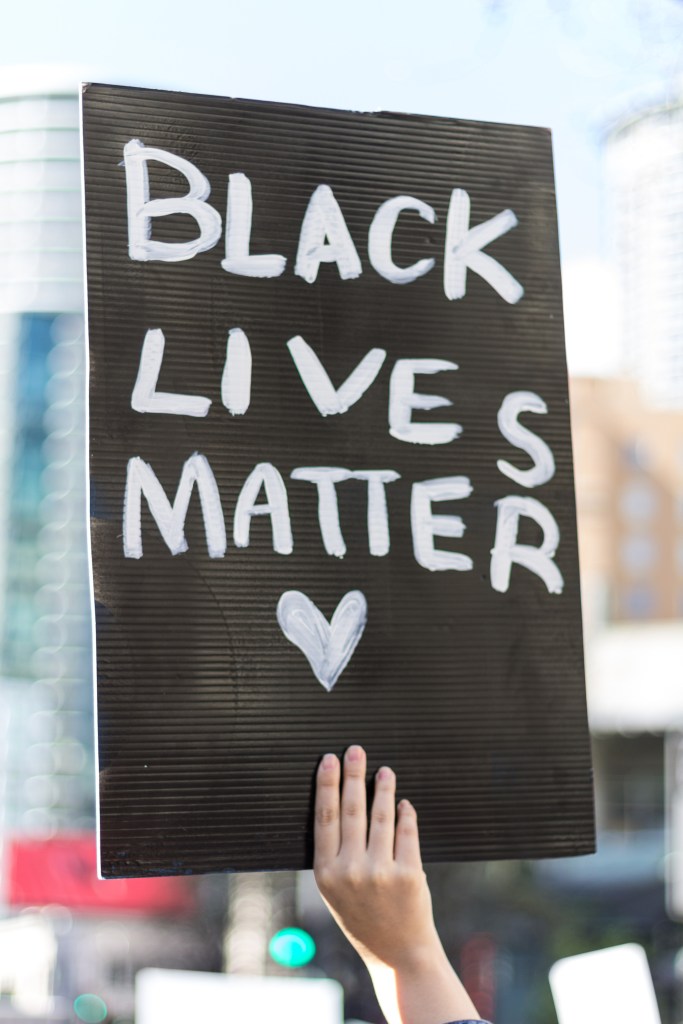
The movement that’s really catapulted this issue into the forefront of public attention is Black Lives Matter. The movement’s focus is of course police brutality and systemic racism, but it’s expanded into all aspects of life. The stereotypes of black people in film are rampant. This is an issue that desperately needs to change.
With regards to the Black Lives Matter movement, Mrs. Padro, the Braddock film production teacher, says that it “should be happening and should have been happening”. She mentions John Boyega, the Star Wars actor who felt that his career was at risk for speaking up and participating in Black Lives Matter protests. Most celebrities have made some statement regarding the movement, but it seems that Boyega’s outspokenness was pushing the limit of what’s considered okay.
Before the takeoff of the MeToo Movement in 2016, sexual harassment and gender discrimination in the industry was largely swept under the rug. Now, there’s been major progress in creating a level playing field for both men and women. Evidently, these large-scale examinations of the culture are needed for industry change.
When asked what she thinks can improve the industry, Padro simply responds, “Time”. As older generations with racial stigmas seem to phase out and younger generations are beginning to realize that they can use their voices to evoke change, time could not be a better word to describe what is needed to make not only the film industry, but also the world, a better and more equal place.
 The Watchdog